 Image 1 of 1
Origin: Shizuoka, Japan
Cultivars: Blend; primarily Yabukita
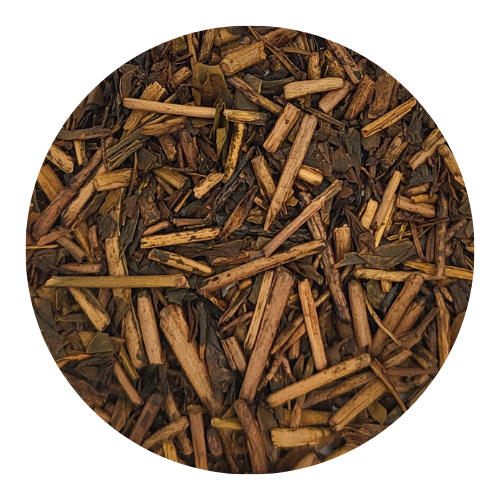
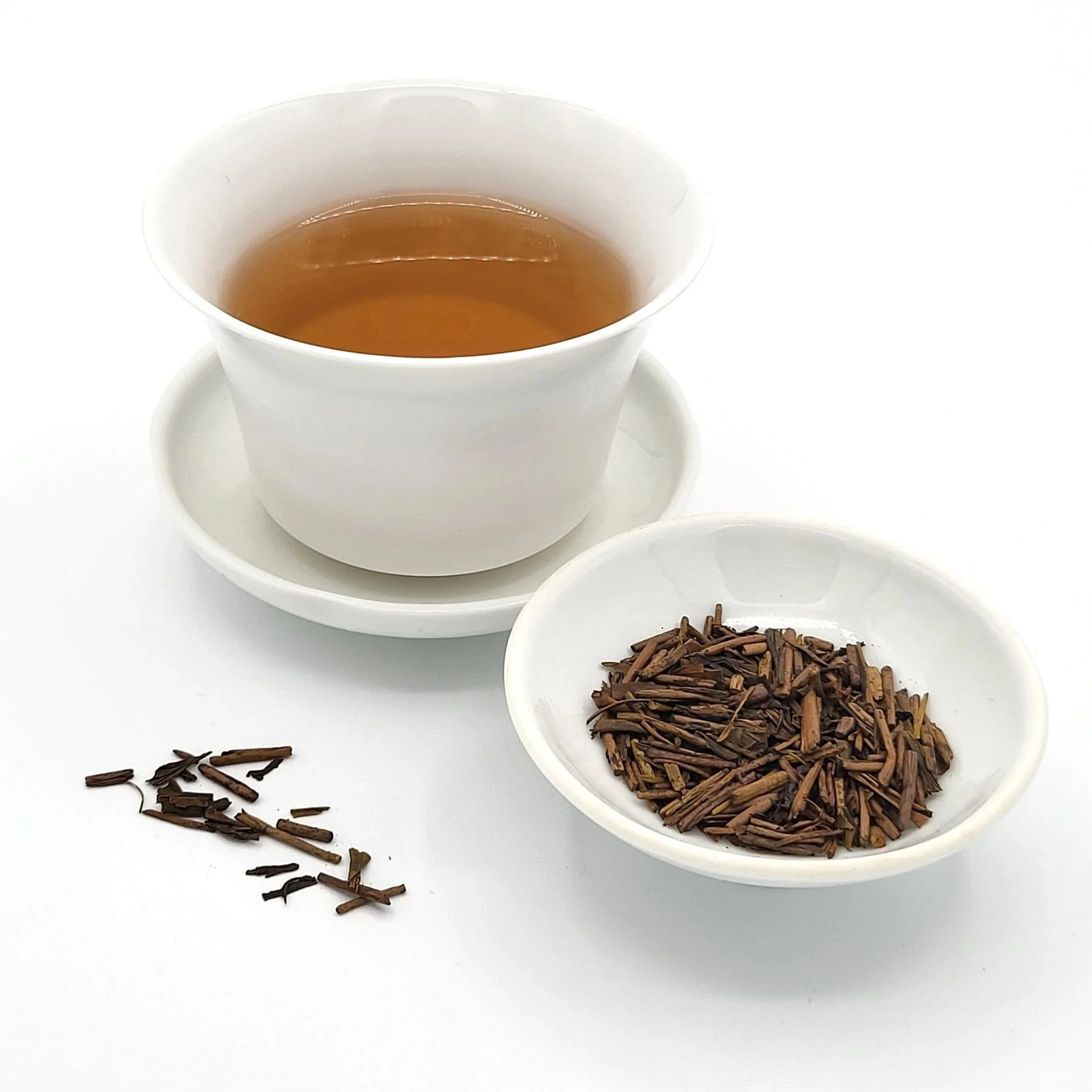
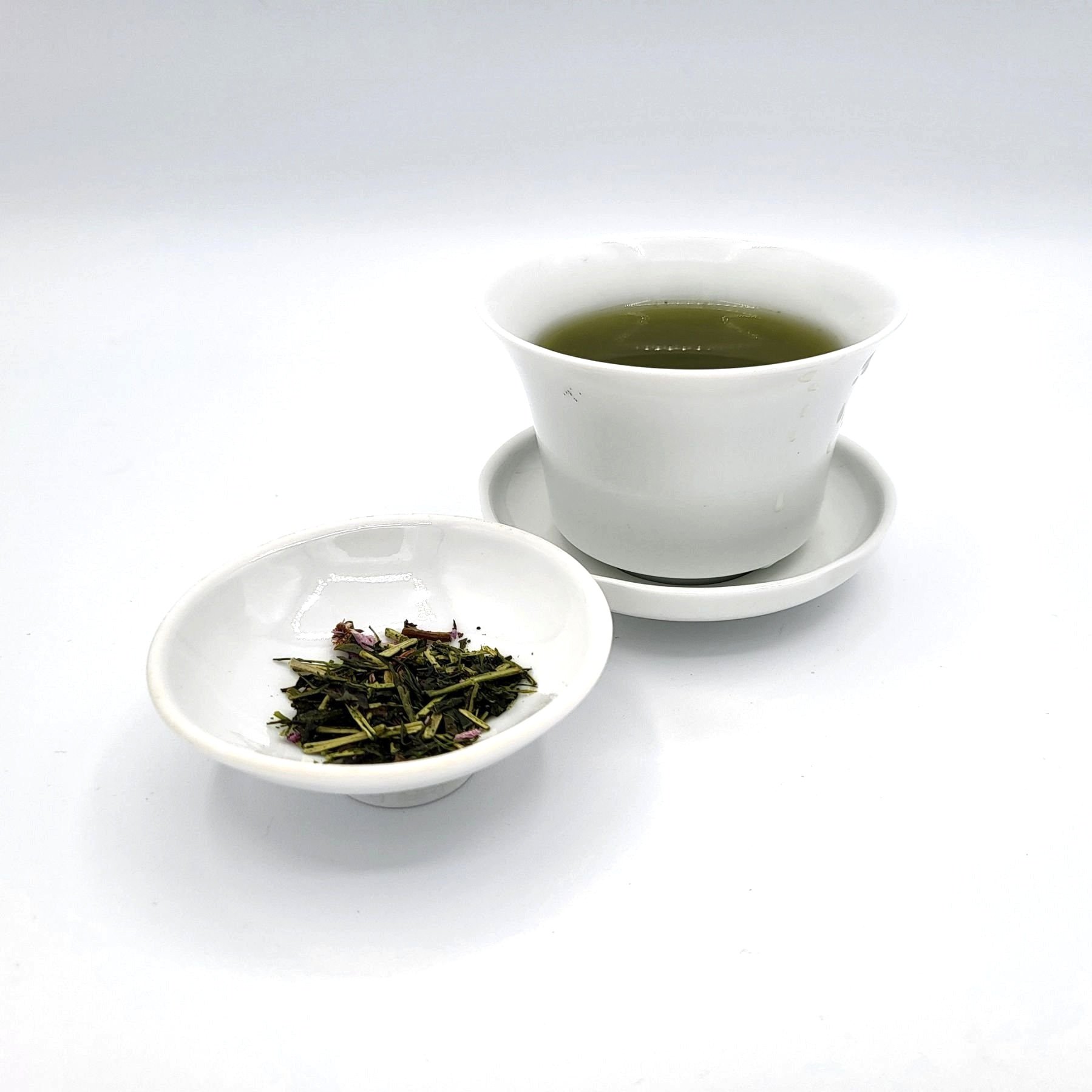
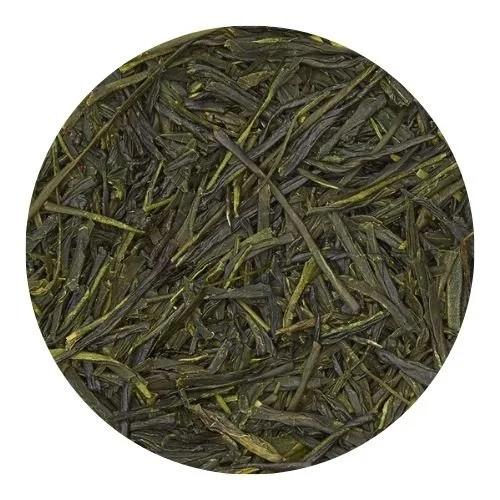
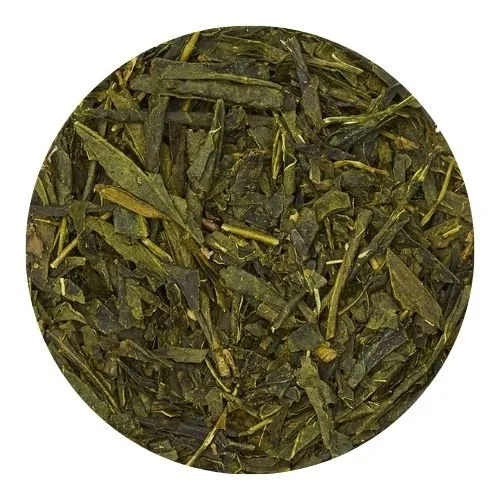
This late summer bancha is made from larger, more mature leaves, offering a light, refreshing cup with a subtle bite. Compared to earlier spring teas, it has a more grounded, robust character and brews to a bright yellow liquor with a clean, easy-drinking finish.
Harvested later in the season, these sun-exposed leaves develop higher levels of catechins, giving the tea its gentle structure and mild bitterness. In Japan, bancha is often considered an everyday tea—simple, approachable, and well-suited to daily brewing. It is also commonly used as the base for hojicha, though here it is presented unroasted to highlight its crisp, seasonal qualities.
Reinfuse a least once.
Hot infusion: Use 5g (1 Tbsp) with 12 oz (350 ml) at 175°F for 1–2 minutes.
Cold infusion: Use 5g (1 Tbsp) with 12 oz (350 ml) with ice water for 10-15 min.
Contains 1 oz (30g) Approximately 12 cups if reinfused as recommended.
This late summer bancha is made from larger, more mature leaves, offering a light, refreshing cup with a subtle bite. Compared to earlier spring teas, it has a more grounded, robust character and brews to a bright yellow liquor with a clean, easy-drinking finish.
Harvested later in the season, these sun-exposed leaves develop higher levels of catechins, giving the tea its gentle structure and mild bitterness. In Japan, bancha is often considered an everyday tea—simple, approachable, and well-suited to daily brewing. It is also commonly used as the base for hojicha, though here it is presented unroasted to highlight its crisp, seasonal qualities.
Reinfuse a least once.
Hot infusion: Use 5g (1 Tbsp) with 12 oz (350 ml) at 175°F for 1–2 minutes.
Cold infusion: Use 5g (1 Tbsp) with 12 oz (350 ml) with ice water for 10-15 min.
Contains 1 oz (30g) Approximately 12 cups if reinfused as recommended.
Origin: Shizuoka, Japan
Cultivars: Blend; primarily Yabukita