Highlights from the 2026 World Tea Expo
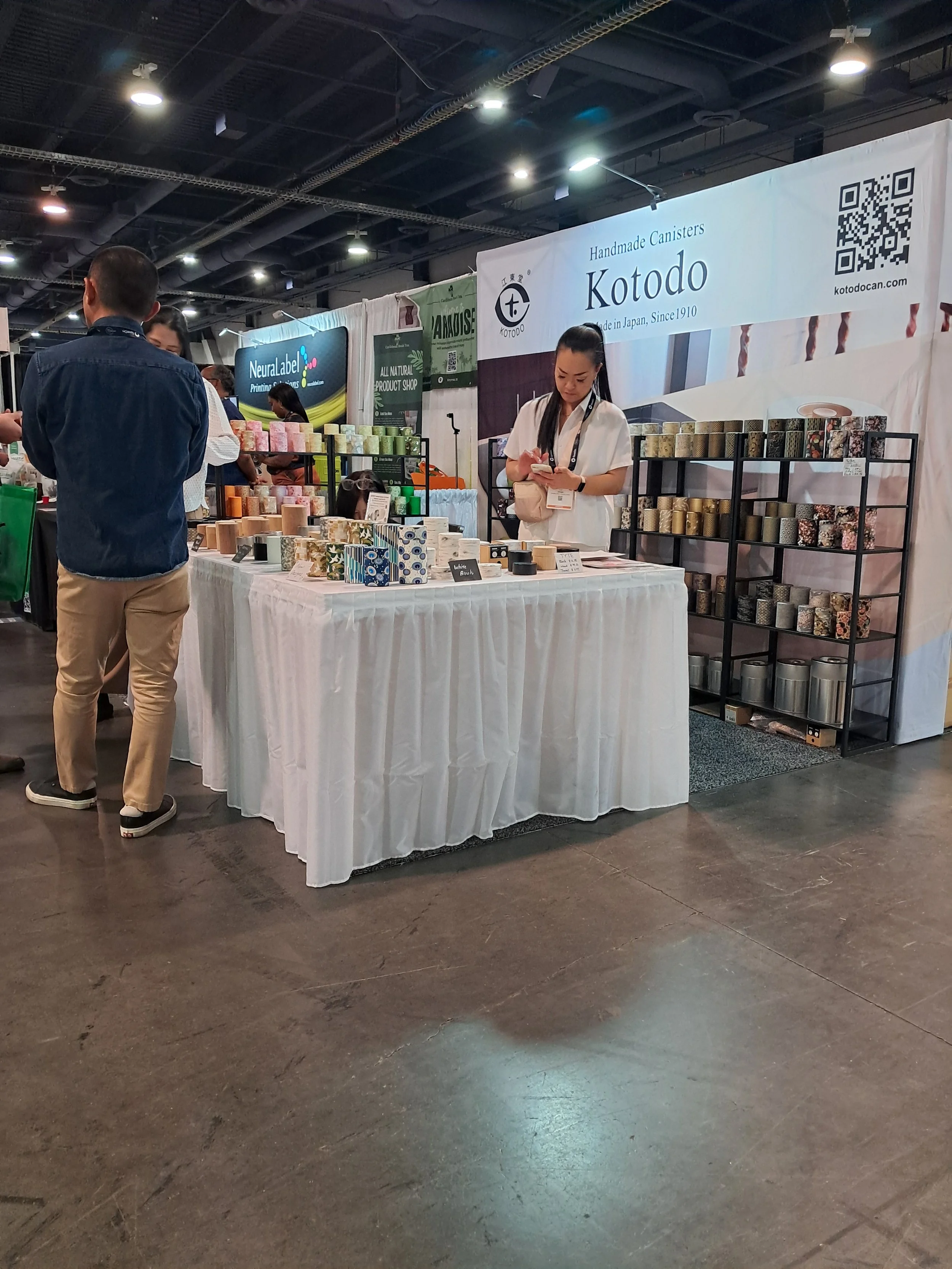
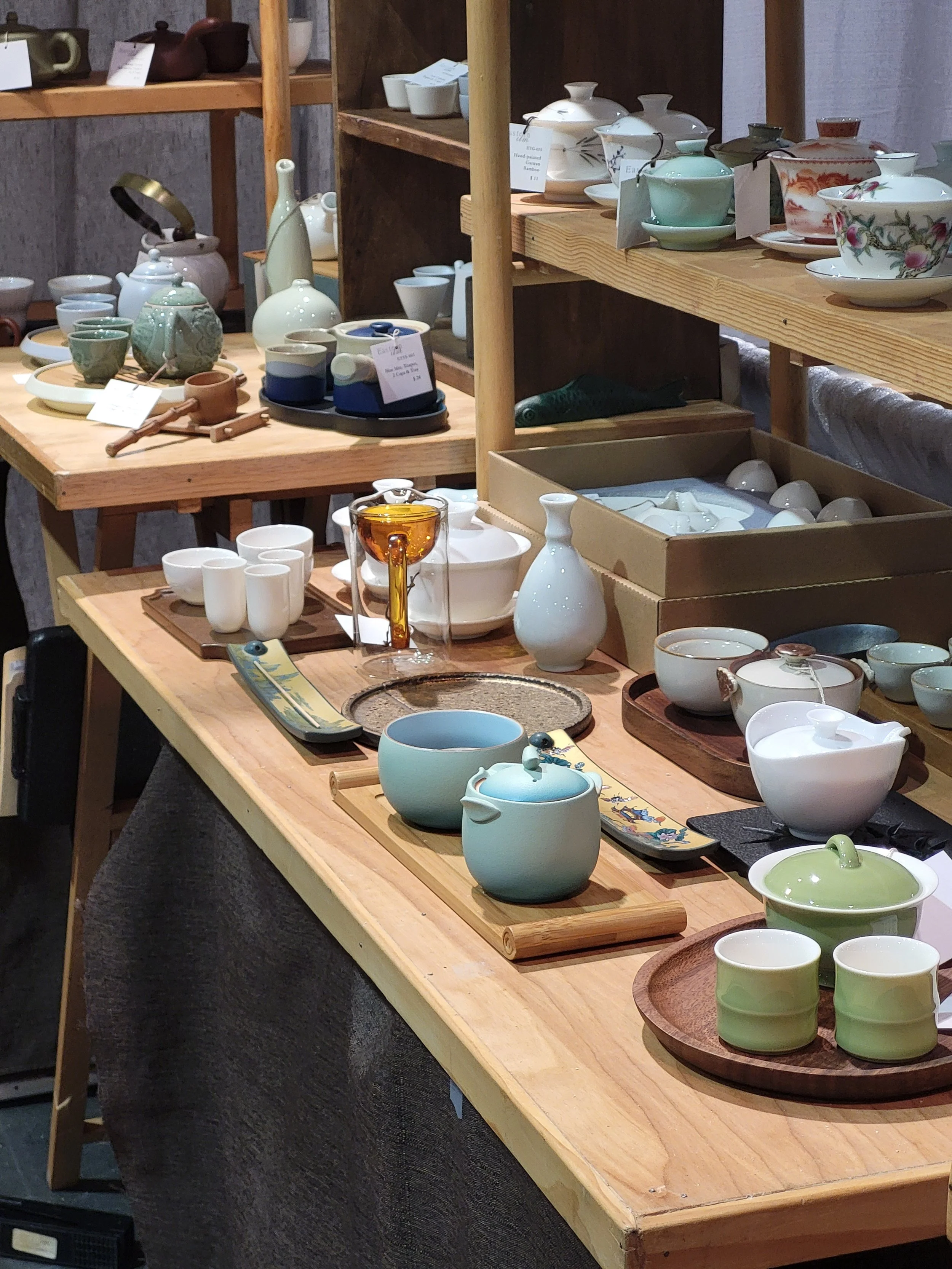
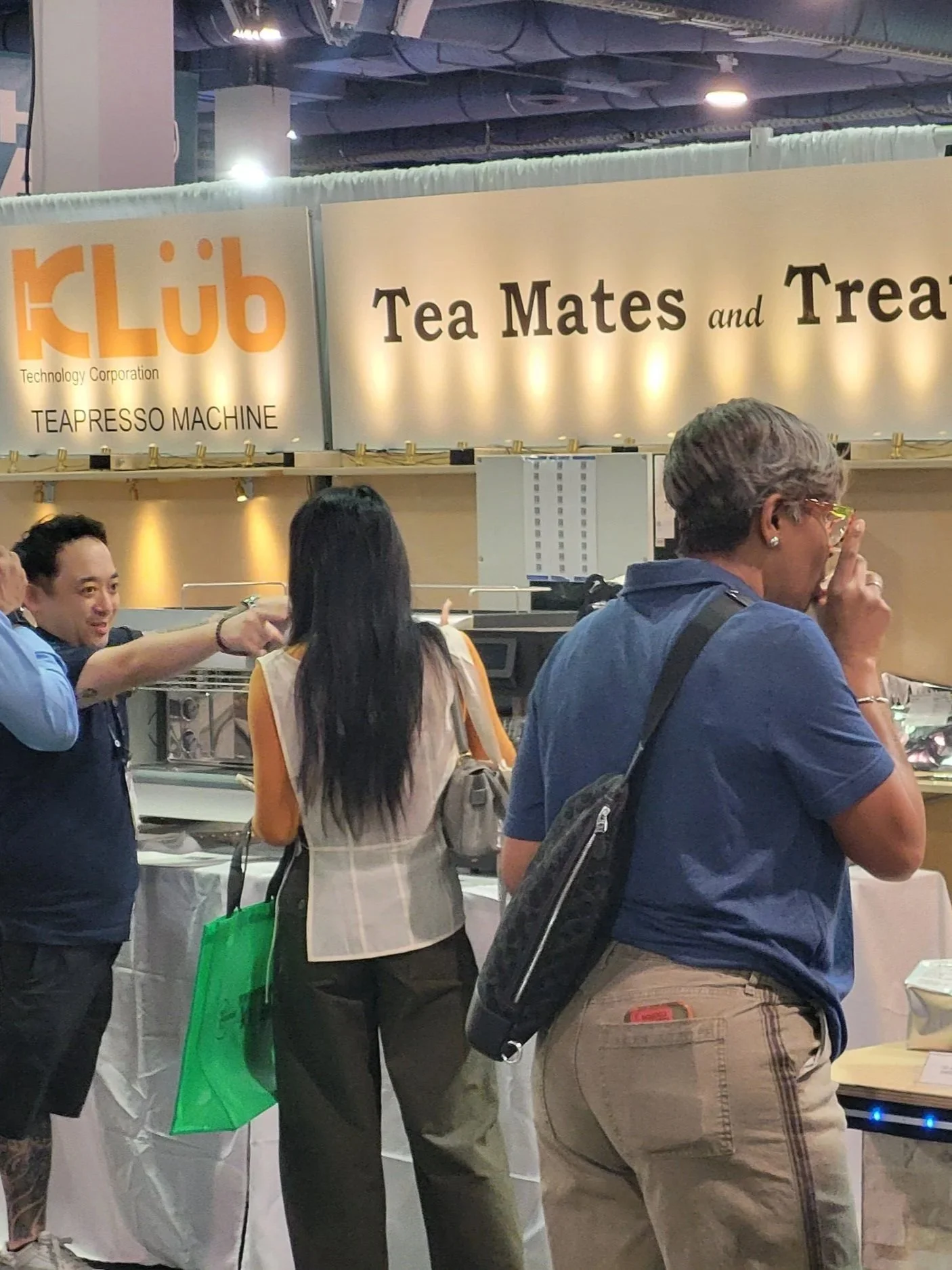
Last week I attended the World Tea Expo in Las Vegas to reconnect with the tea industry, meet new suppliers, and learn what’s shaping the future of tea. Here are a few highlights and surprises from three very full days.

March 23–26 was this year’s World Tea Expo in Las Vegas—an industry gathering where tea professionals meet suppliers, attend workshops, and discuss current tea industry trends.
This was only my second time attending. The first was back in 2013, when I was studying for my Master’s in Library and Information Science and working full-time as a library assistant. Any vacation time I had went toward traveling across the country for Tea Specialist workshops, and the Expo was my first real taste of the tea industry beyond the classroom.
A few memories from that first trip still stand out:
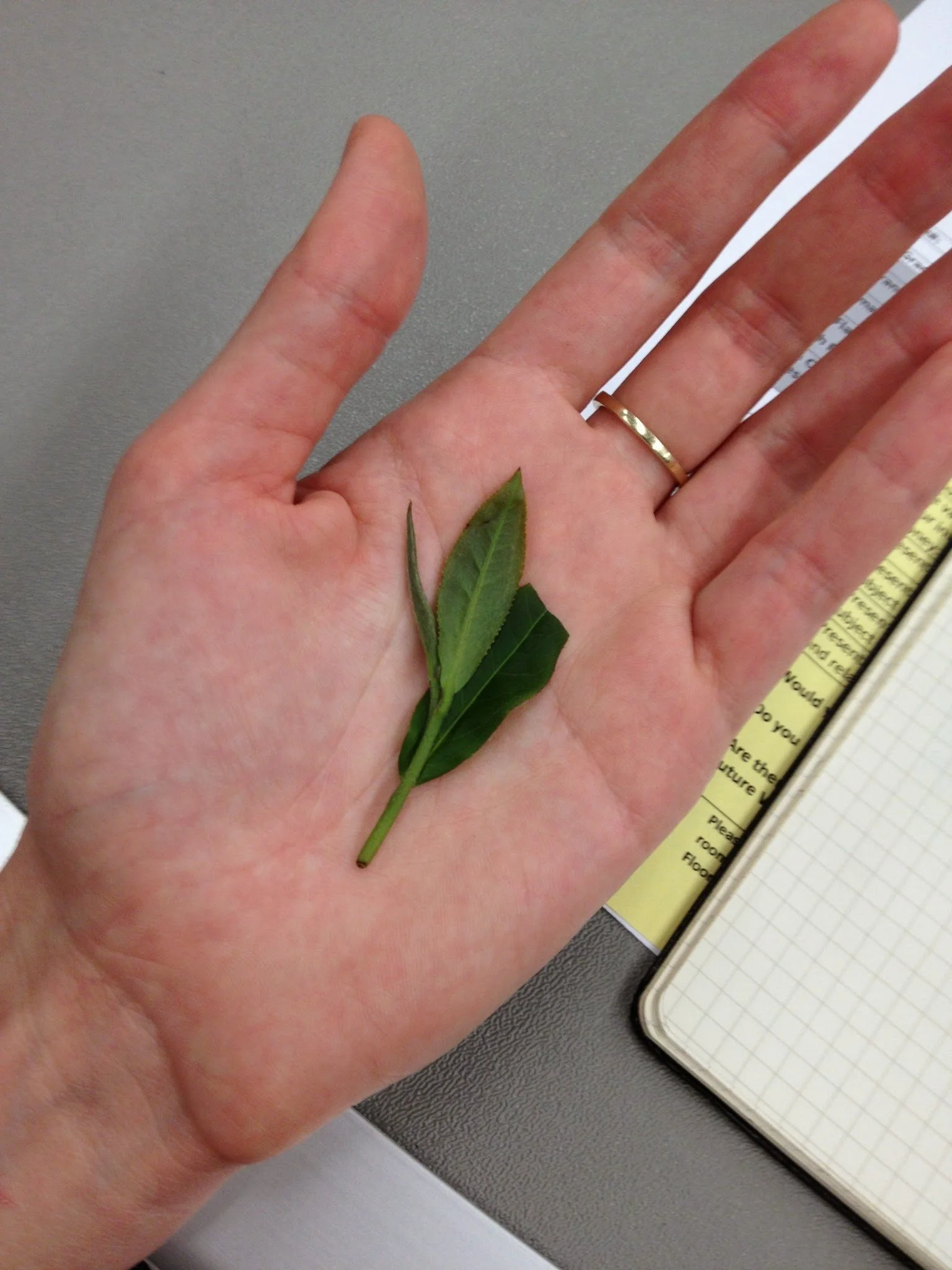
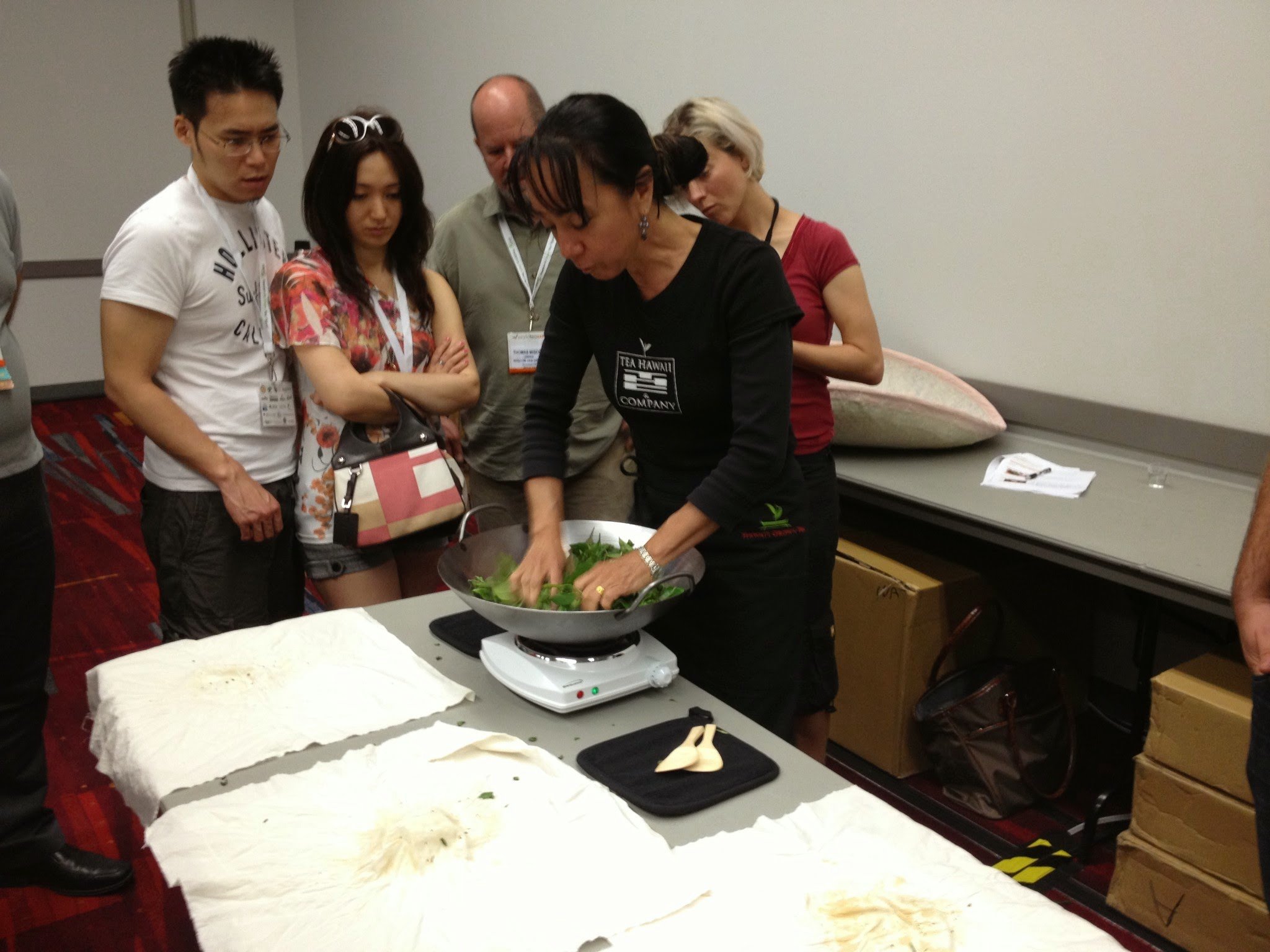
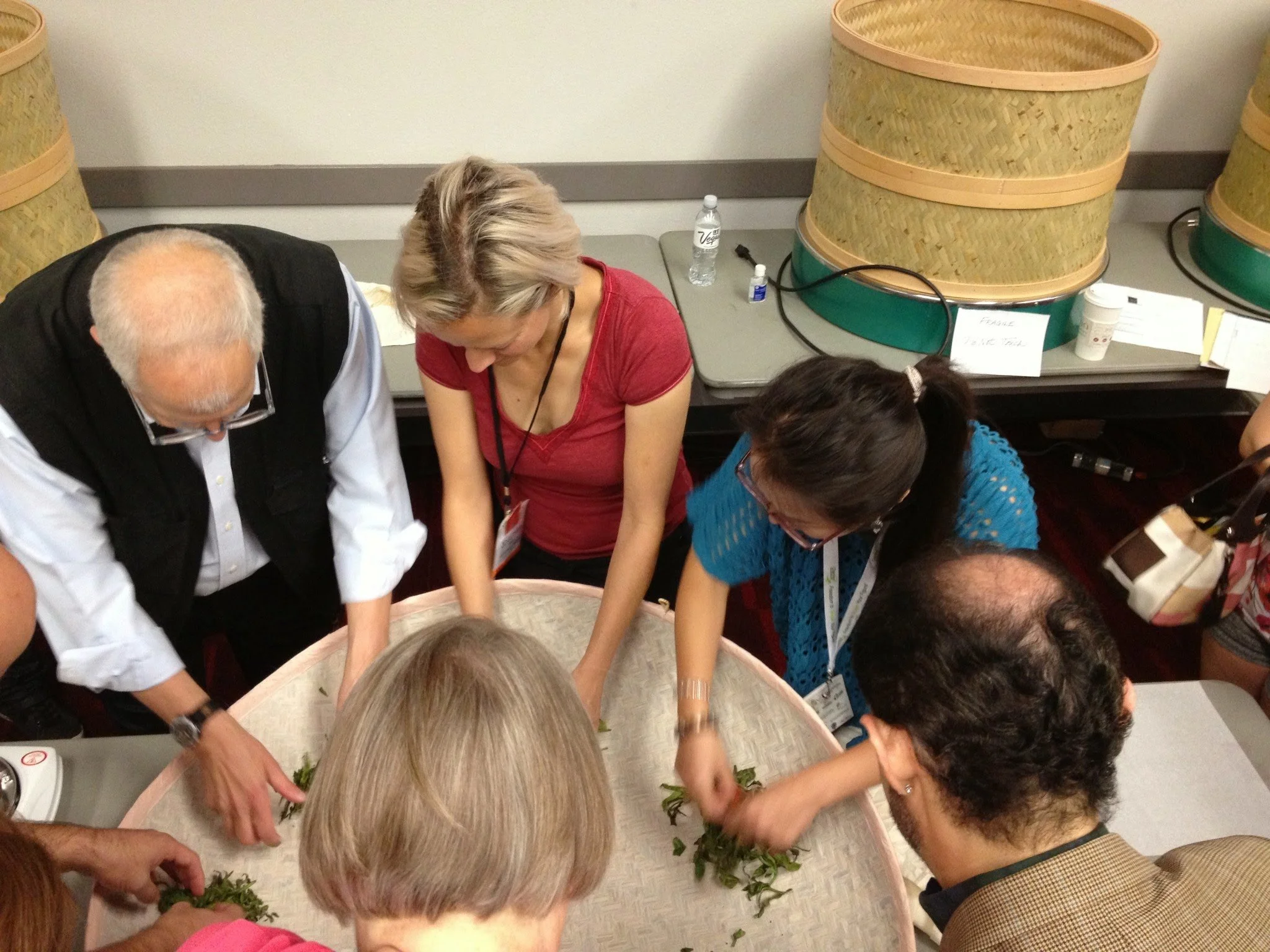
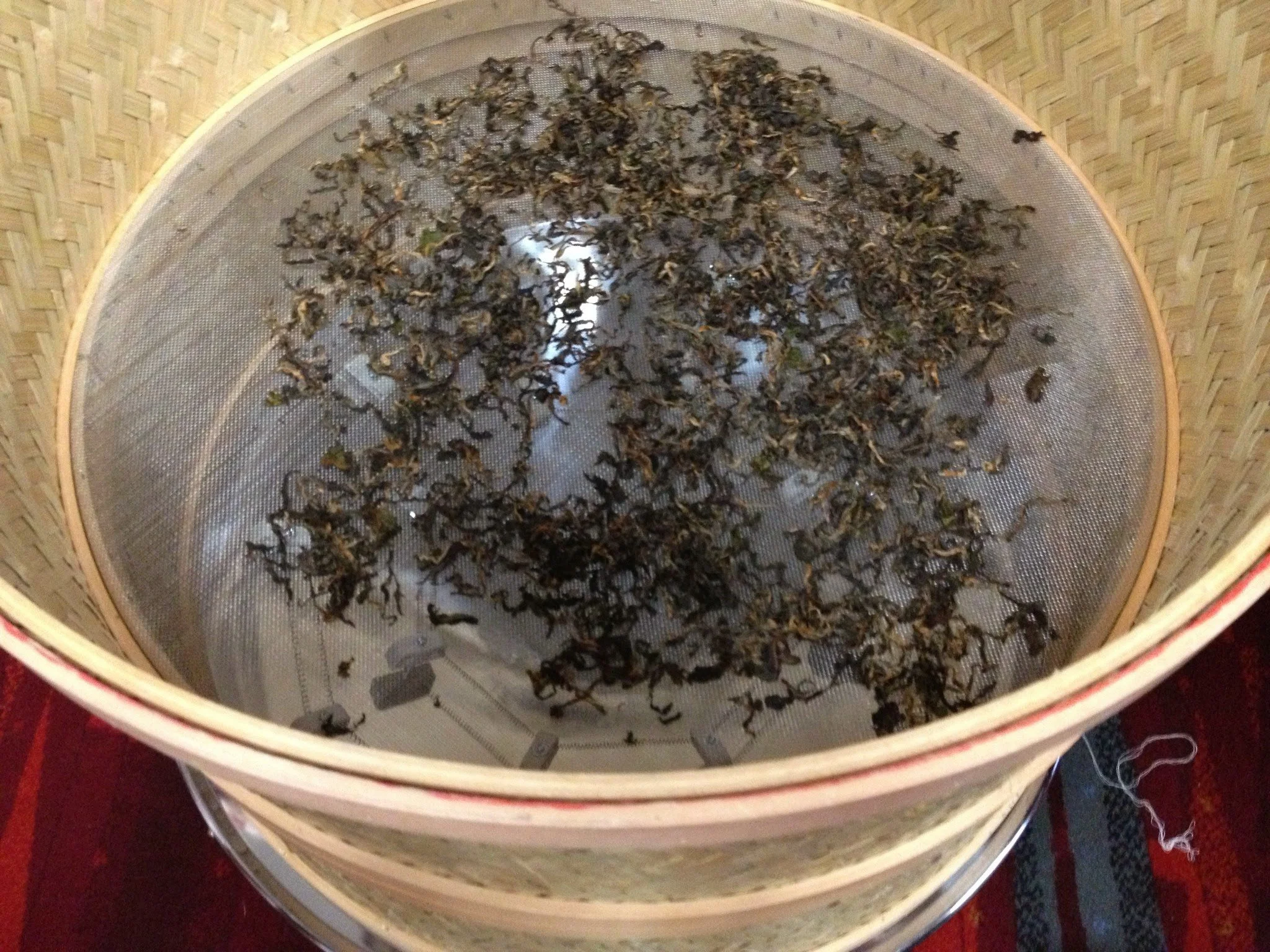
Hands-on tea processing workshop. Instructors flew in fresh leaves from Hawaii so we could try rolling, kill-green, and other processing steps ourselves. Two days in a conference room isn’t enough time to produce drinkable tea, but it was an incredible way to turn theory into practice.
The first meeting of the US League of Tea Growers. I hadn’t grown tea yet, but it was exciting to listen to people who were trying.
A tasting of temomi shincha, a rare hand-rolled Japanese tea shaped into long needles. Years later, when planning my business, I reached out to the tea company that hosted the tasting—and they became my first supplier.
A deep dive into water chemistry for tea. The presenter discussed how oxygen levels and regional water differences affect flavor. (Key takeaway: don’t leave stale water sitting in your kettle!)
I was so excited to be back this year. I went with a few goals:
learn how established tea businesses are navigating the current economic climate
meet new suppliers to expand my offerings
and absorb as much current tea knowledge as possible
Here are a few highlights from the three days.
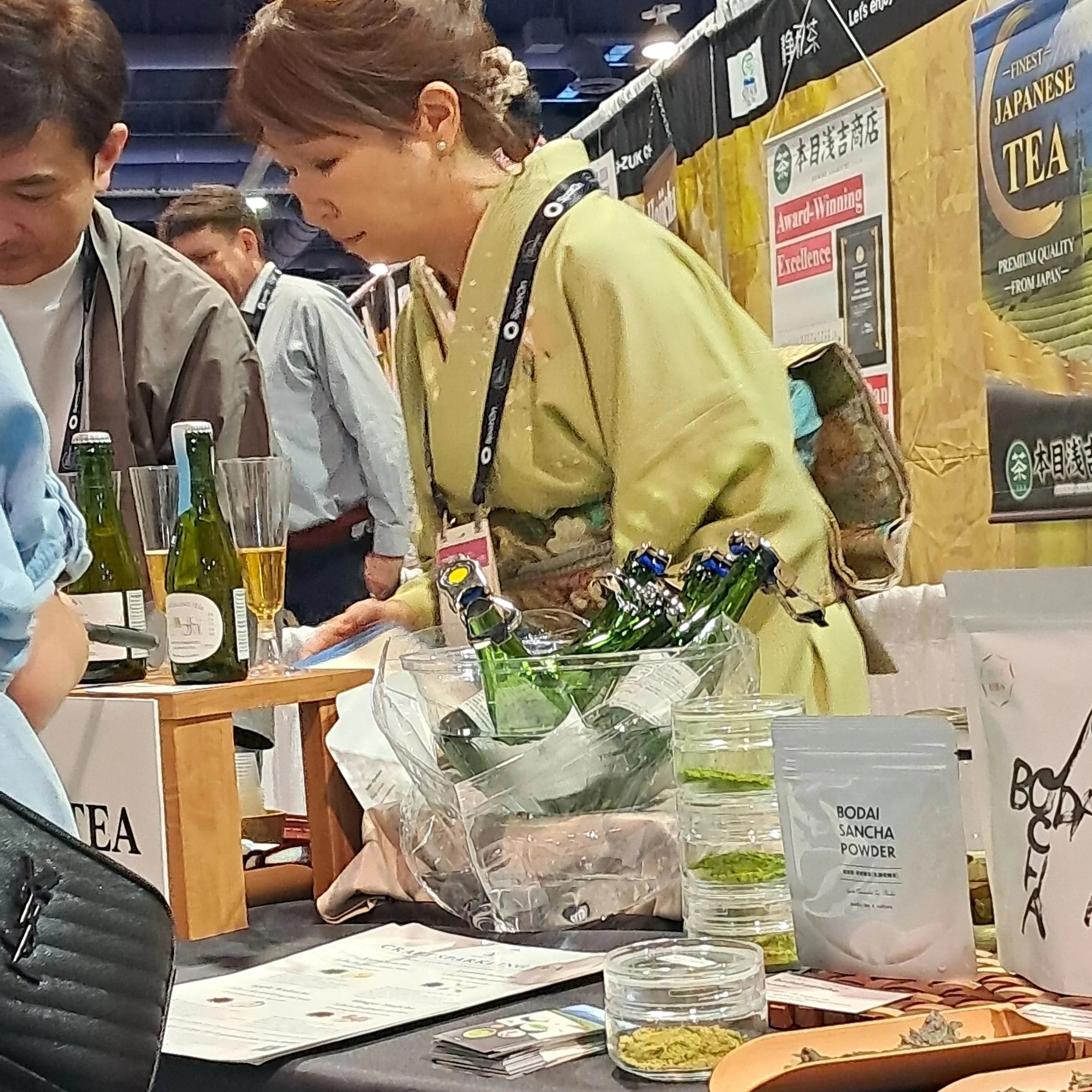
A generational shift in tea
There’s a growing divide in how people approach tea. Older generations often value ritual and tradition, while younger drinkers—especially Gen Z—are seeking experiences. Tea fits nicely into the rising interest in low- or no-alcohol beverages that still feel special, social, and health-conscious.
Iced and experiential teas are booming
Iced tea in all its forms—sparkling teas, mocktails, boba—is projected to grow dramatically by 2030.
Honestly, this matches what I’ve seen since starting Kintsugi House. I expected to focus mostly on traditional cups of hot tea, but the biggest excitement has come from experimental drinks and tea mocktails. It’s been surprising and fun.
(I also spoke with a vendor making absolutely beautiful bottled sparkling teas. I’m excited to feature them in a future post.)
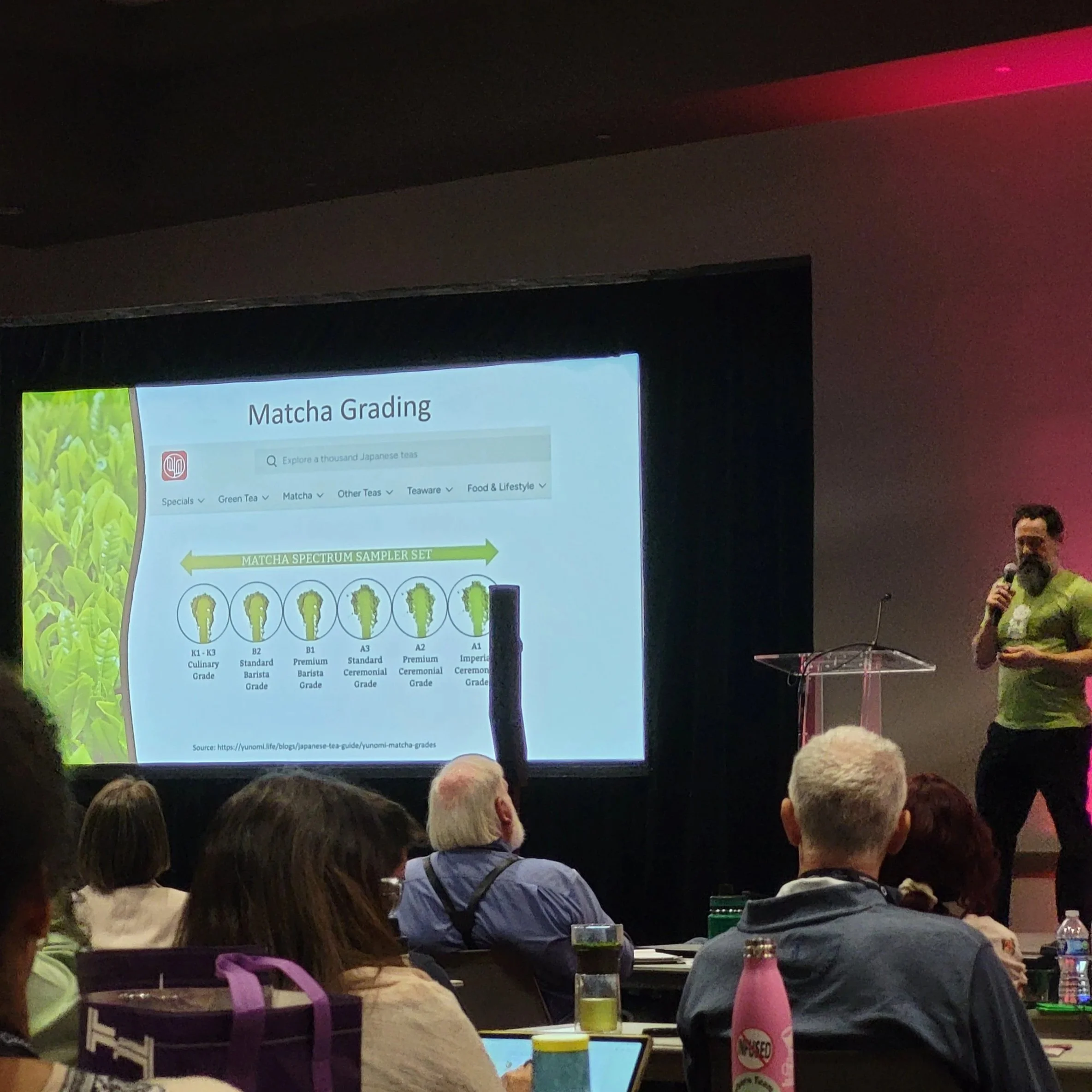
New ways to evaluate matcha
During the presentation Much Ado About Matcha, I learned additional techniques for assessing matcha quality, including the matcha streak test. Since I found a few promising new matcha growers at the Expo, I’m looking forward to putting these methods into practice.
Matcha technology is evolving
Matcha isn’t only ground in stone mills anymore. I learned about several modern milling technologies—impact mills, jet mills, and colloid mills—that I’m excited to research further.
Changes in Japanese tea production
Tea agriculture in Japan is declining due to an aging population and younger generations moving to cities. At the same time, loose-leaf tea consumption within Japan is falling, with bottled teas becoming more popular.
To meet demand, more production is expanding to countries like China, South Korea, Australia, and Argentina.
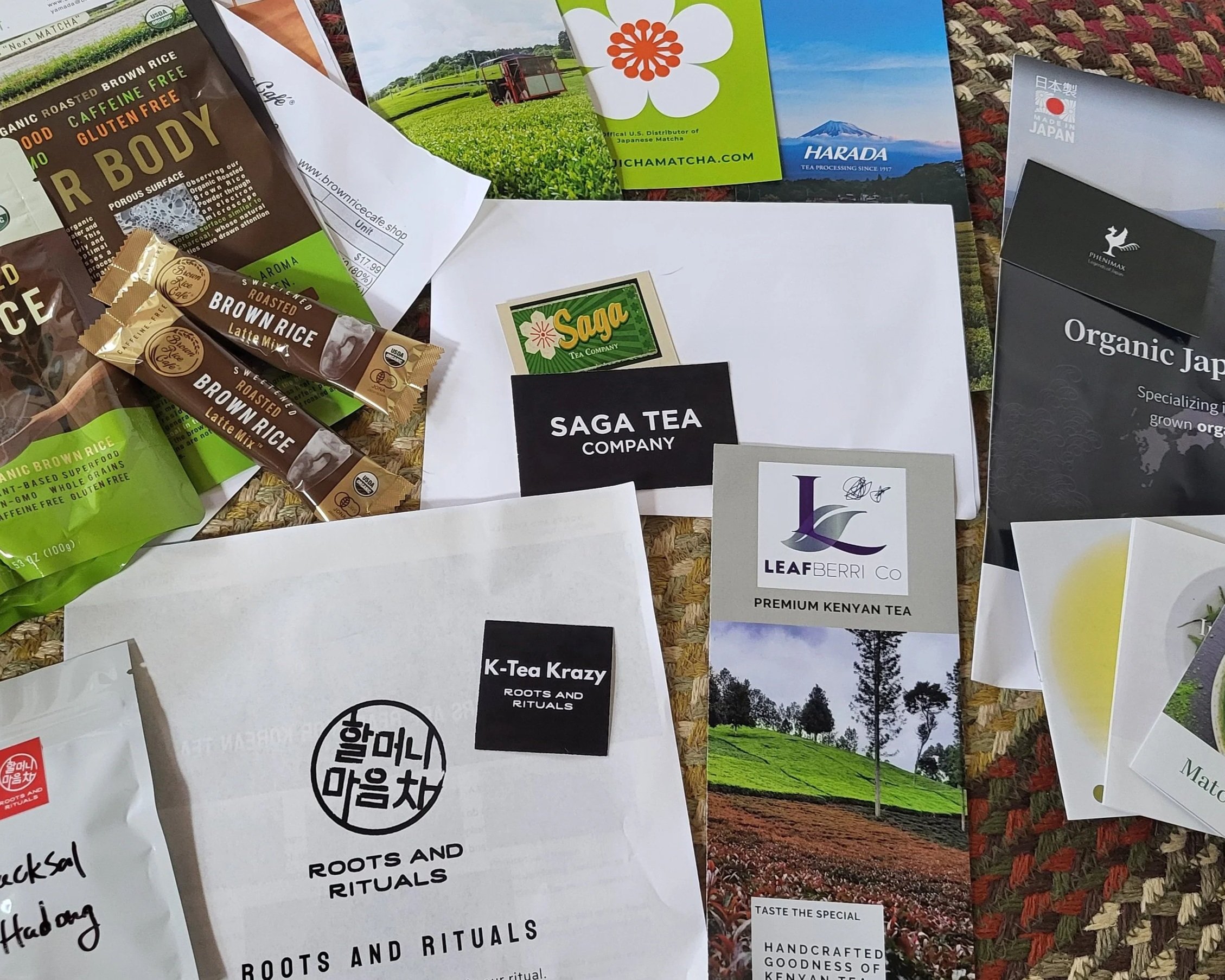
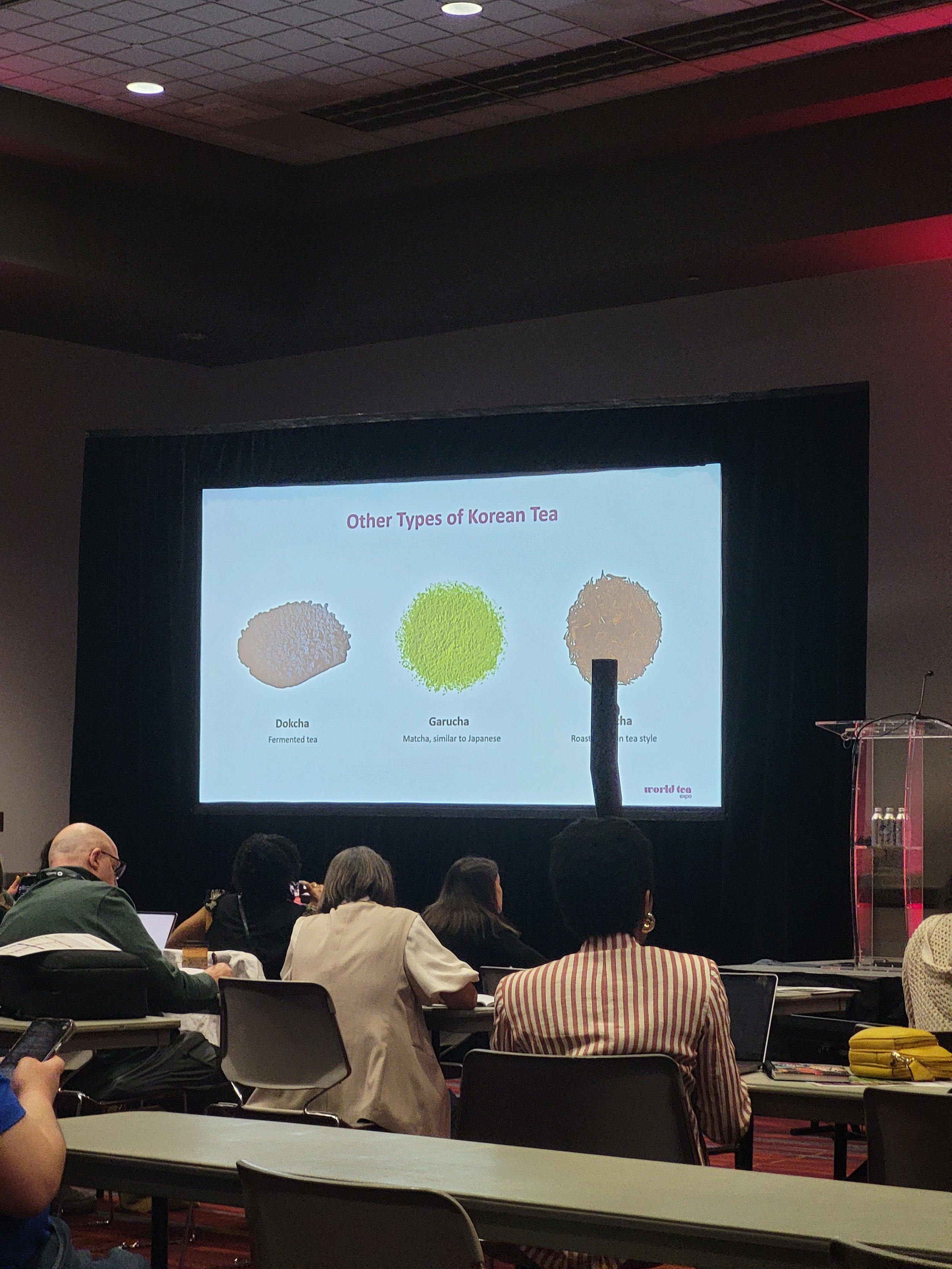
Korean teas to watch
One presentation focused on Korean tea production, and I was excited to see a variety of interesting teas coming out of the country. When I lived in South Korea, coffee culture dominated and tea could be surprisingly hard to find.
I came home with several samples—including a Korean-grown matcha, which I’ve never tasted before. I can’t wait to “research.”
Microplastics in tea bags
Researchers from the organization Microplastic Free shared some concerning findings about microplastics released by (practically all) commercial tea bags. It reinforced my appreciation for loose-leaf tea, but it also gave me a few things to think about regarding materials I use.
These are just a few highlights—I’ve barely scratched the surface. I’ll likely write another post or two that dives deeper into some of the topics and producers I discovered. If there’s anything here you’d like me to explore further, I’d love to hear from you.